Torch-On Waterproofing in Cape Town
Approved-applicator torch-on waterproofing across Cape Town — 3mm and 4mm Index, Derbigum and Sika membranes heat-fused to flat concrete roofs, parapets and balcony slabs.
Benefits
Current Index Argo, Derbigum SP4 and Sika Torch approved-applicator credentials in hand for every job
Both single-layer 4mm and double-layer 3mm + 4mm SANS 10021 systems specified on quote so the comparison is honest
Workmanship guarantee of 10 years backed by a 15-year Derbigum (or equivalent) membrane warranty
Pre-quote inspection includes a substrate moisture-meter reading — we will not torch onto a damp slab
Hot-works method statement, gas-bottle protocols and 60-minute fire watch supplied for body-corporate approval
Installation booked into a Cape Town dry-window (late summer to autumn) so the cap sheet bonds in stable conditions
Our Process
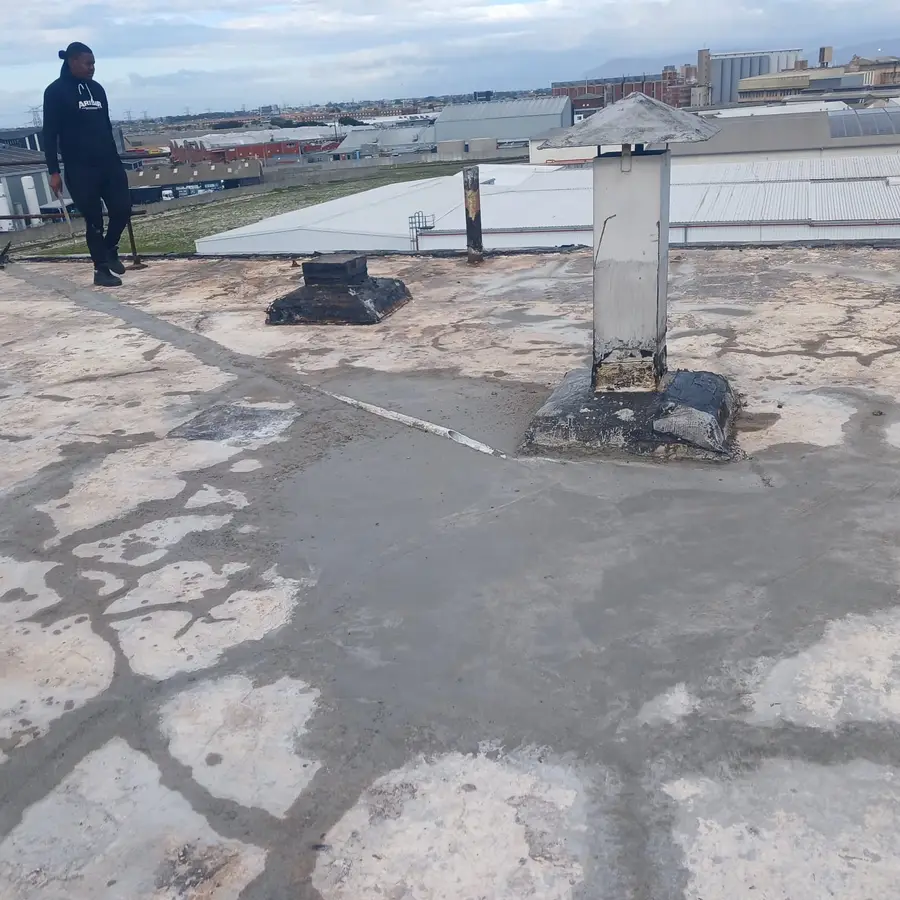
Site inspection — moisture meter on the slab, photographic record of every parapet, drain, vent stack and old detail
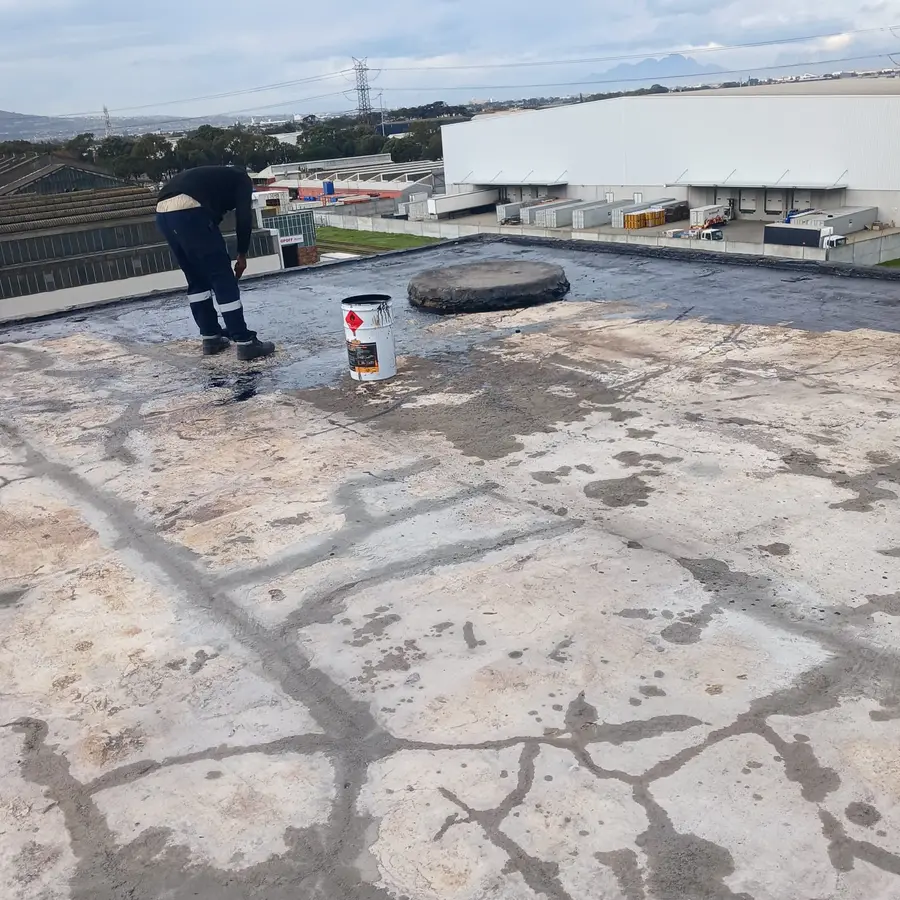
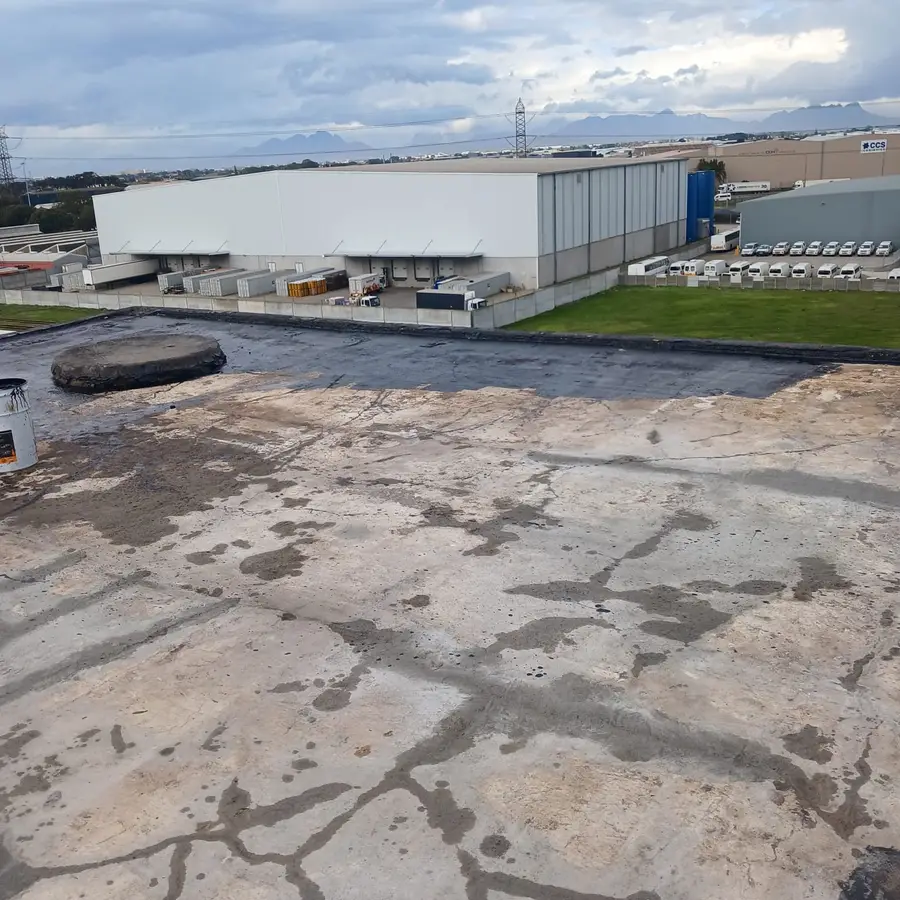
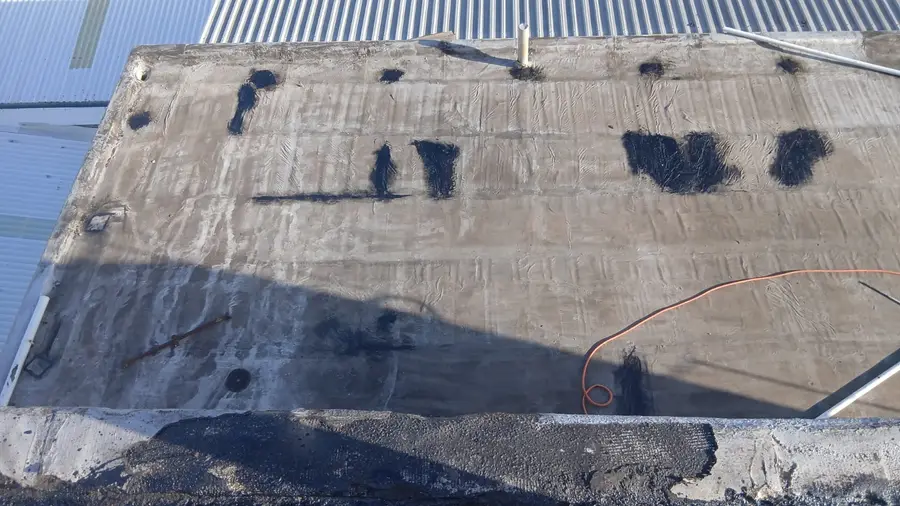
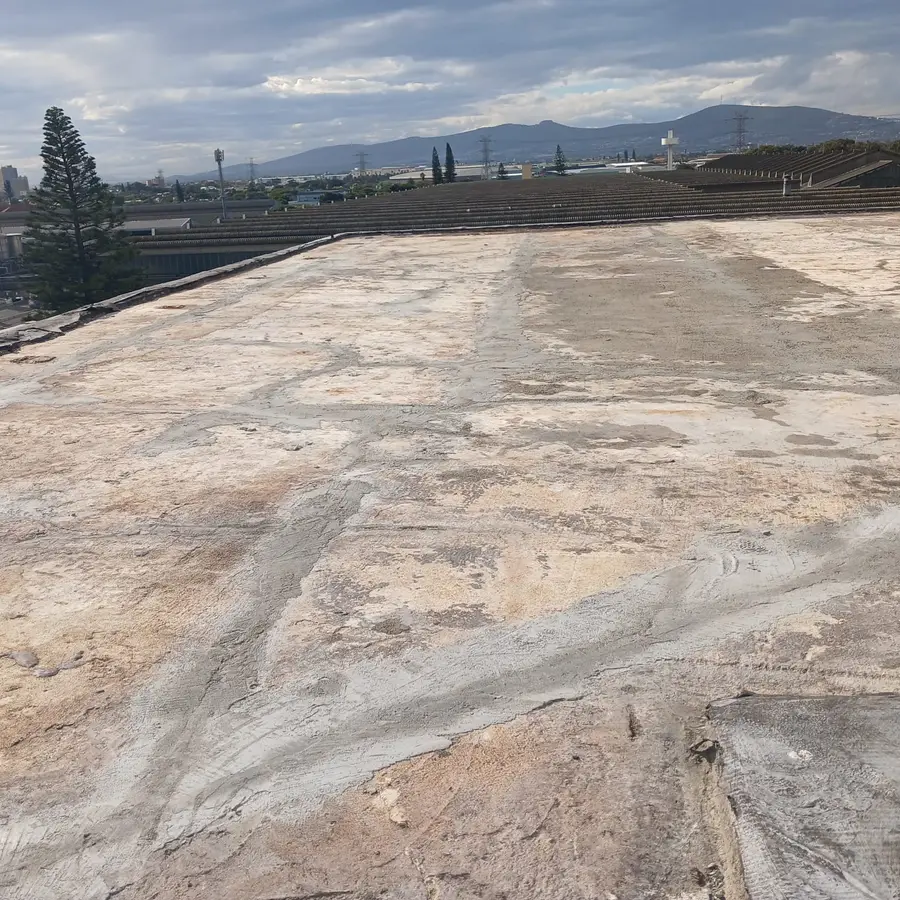
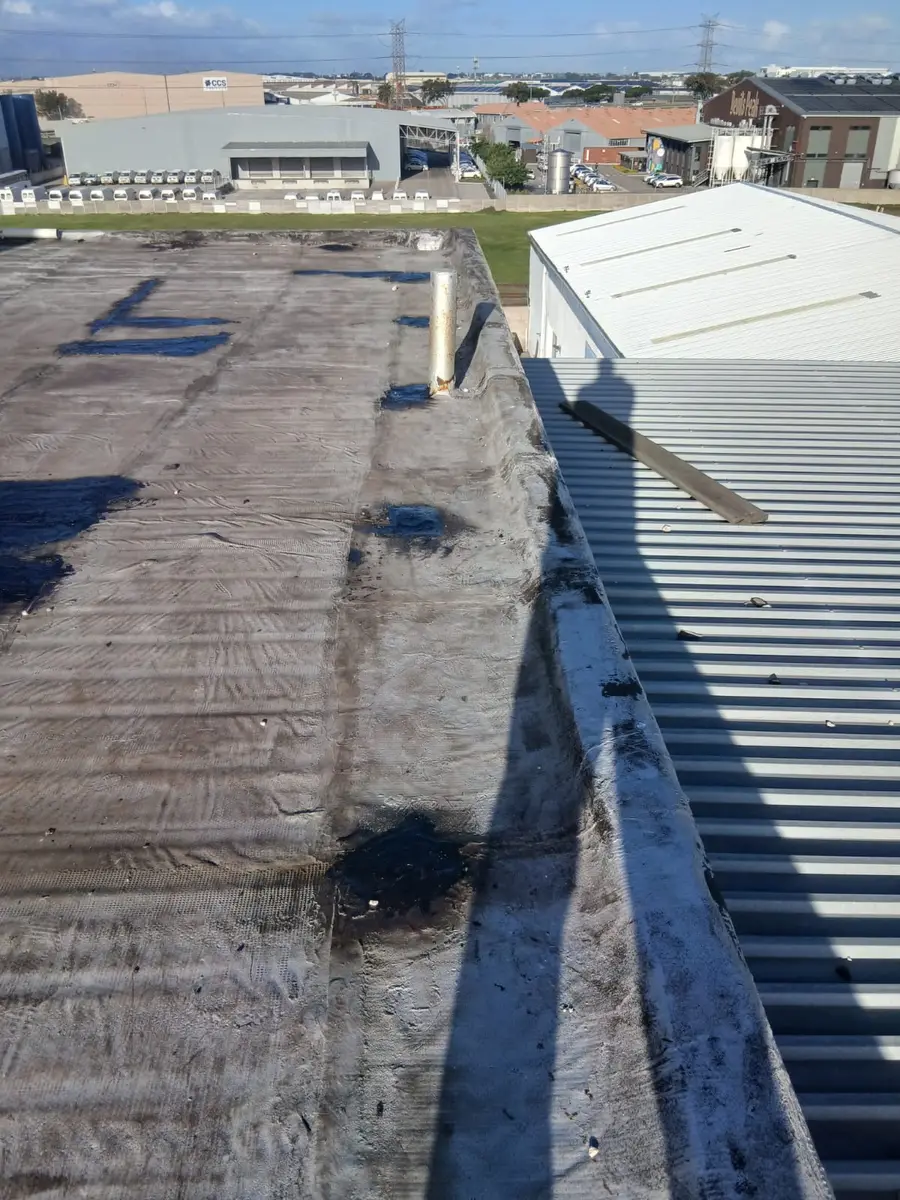
Substrate prep — strip perished membrane, grind blisters back to sound concrete, fill cracks, re-screed falls where water is ponding to outlets
Compatible bitumen primer rolled across the cleaned deck and left to flash off (2–4 hours, longer in coastal humidity)
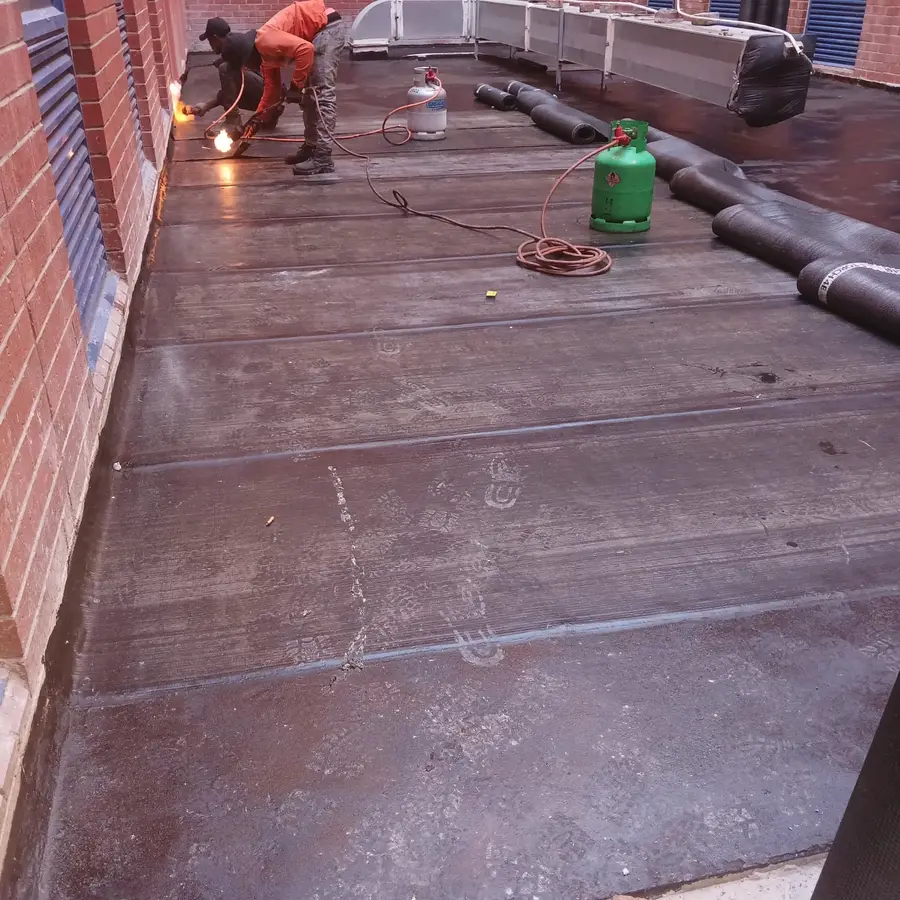
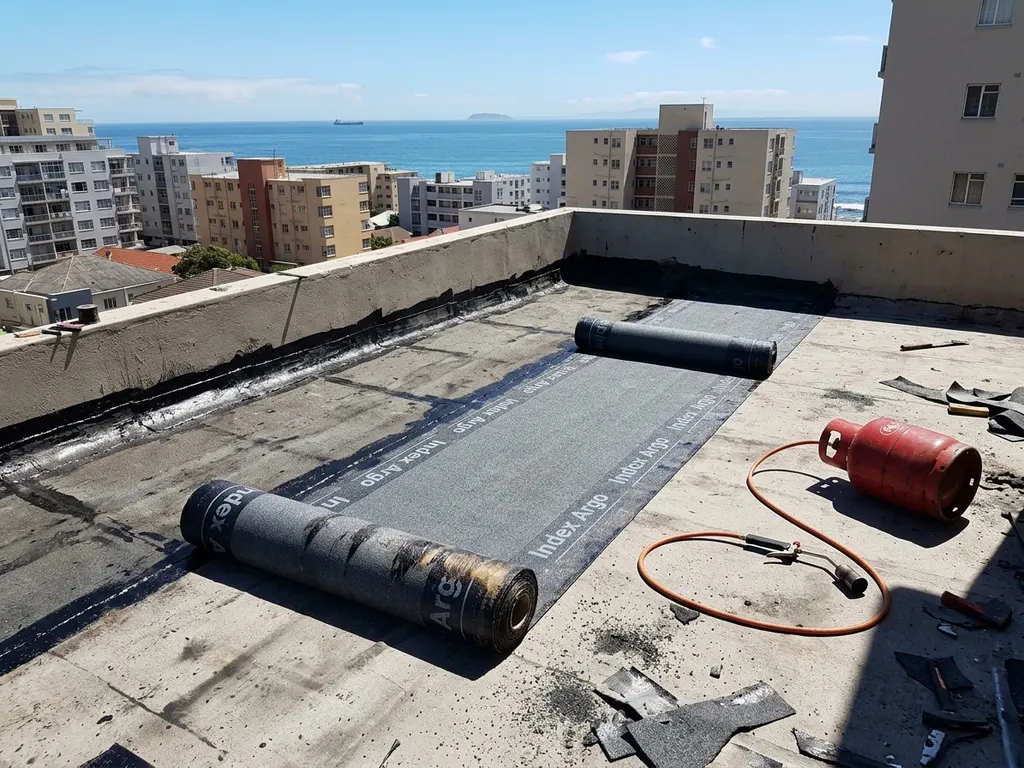
Base sheet — 3mm sanded underlay laid out, heat-fused with 100mm side laps and 150mm end laps to the primed concrete
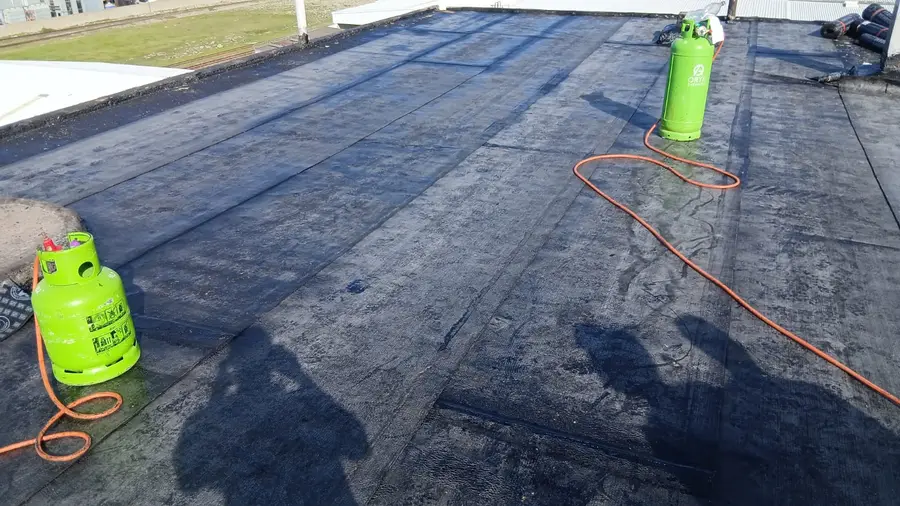
Cap sheet — 4mm mineral-chip or aluminium-faced membrane torched over the base in brick-bond pattern, parapets dressed up minimum 150mm, all penetrations collared
Detailing pass — every overlap re-torched with the seam-roller, trowel-sealed where bitumen has run, perimeter chases pointed in
Ponding test on flat sections (24 hours) and final sign-off with the 10-year workmanship certificate plus manufacturer warranty registration
Pricing
From R300/m²
2026 indicative ZAR pricing. Single-layer 4mm torch-on R300–R420/m². Double-layer 3mm + 4mm system R420–R560/m². Add R80–R150/linear m for parapet upstands and R450–R900 per drain/penetration detail. Substrate repairs and screed-to-falls quoted separately.
Get Accurate QuoteFrequently Asked Questions
Can torch-on actually be installed during a Cape Town winter?
Only opportunistically, and only on small jobs. Between May and August we get short dry windows of 24–48 hours between cold fronts — enough to do a balcony or a small upstand repair, not enough to commit to a 200m² roof. The membrane will bond fine in 8–10°C as long as the slab is dry, but Cape Town's winter humidity often keeps moisture trapped in the screed for days after the rain stops. We use a tramex moisture meter; if it reads above 5% we walk off. If the leak cannot wait for summer, we typically stabilise with a temporary liquid acrylic and book the full torch-on for the next February–April window.
Why does approved-applicator status matter for the Derbigum 15-year warranty?
Because the warranty is voided the moment an unaccredited team lays the membrane. Derbigum (and Index, and Sika) audit and certify individual contractors — they issue a numbered certificate, refresh it annually after a training reassessment, and only honour warranty claims on installs where the registered applicator number was logged. If your contractor is not on the manufacturer's current applicator list, the membrane carries no factory warranty no matter what the quote says. Always ask to see the current-year certificate. Ours is on the company profile page and the certificate number goes on every quote.
Mineral chip versus aluminium reflective top-coat on a parapet roof — which is right?
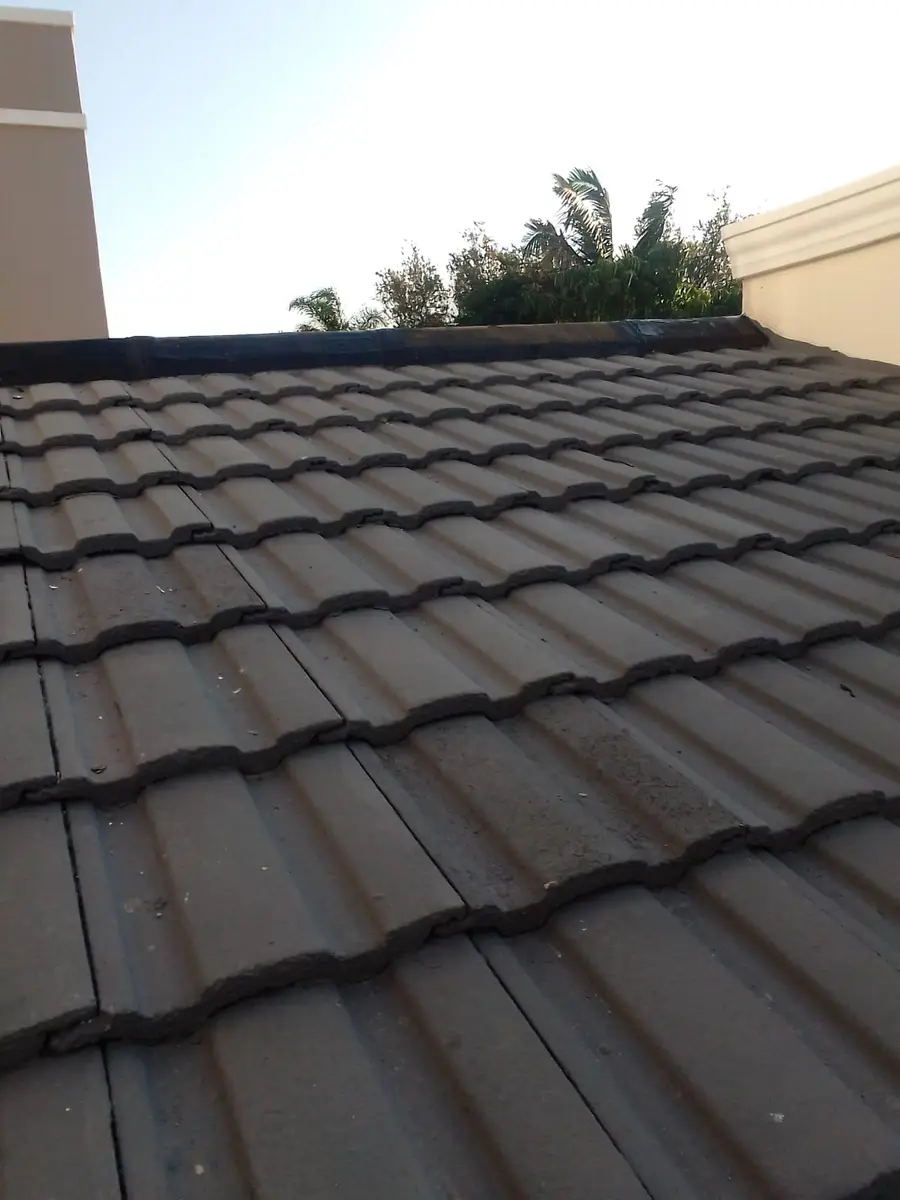
On a roof that nobody sees from above — most Sea Point apartment blocks, Hanover Park maisonettes, anywhere with parapets that hide the field — the standard mineral-chip 4mm cap is the right call. The slate granules give long-term UV protection, the surface is foot-trafficable for maintenance, and the chip layer is sacrificial so it can be regranulated at year 12. Aluminium-faced membrane (or aluminium bitumen paint applied at year 8) makes sense where the roof is exposed to view or where solar heat-gain into the slab below is a real comfort issue, since the reflective top-coat drops slab surface temperatures by 15–20°C on a Cape summer afternoon. Most Camps Bay villas where the flat roof is visible from above end up with the aluminium finish.
Why 3mm under 4mm instead of just a single 4mm layer?
Single-layer 4mm is fine on small, simple, low-risk roofs — a garage slab, a small balcony — and we will quote it where it suits. The two-layer 3mm + 4mm SANS 10021 build is mandatory for habitable buildings under the manufacturer warranty, and the reason is the brick-bond offset: the cap sheet seams sit halfway across the base sheet seams, so water that finds its way through one overlap is stopped by the layer below. On the bigger jobs — apartment block roof slabs, double-storey homes — single layer is a false economy. The labour cost difference is small, the materials cost is roughly 25% more, and you buy a roof that lasts 20 years instead of 12.
Can torch-on be installed over my existing perished bitumen roof, or does it all come off?
It depends entirely on the condition of the existing layer. If the old membrane is sound and well-adhered — no significant blistering, no delamination at the seams, no trapped moisture under it — we can sometimes torch a fresh cap layer straight over it after a thorough clean and a tie-coat primer. This works on maybe one in five roofs we inspect. Far more often the substrate beneath the old membrane is wet, the laps have lifted, or the bitumen has gone brittle and crazed. In those cases everything comes off down to the screed, the deck is re-prepared, and the new system is built from scratch. We always do a moisture-meter and adhesion test on the old layer at quote stage and tell you which path applies.
What is the fire risk during a torch-on install in a built-up area like Sea Point?
The torch runs at around 1,400°C against a flammable bitumen membrane on a roof often surrounded by neighbouring units, timber pergolas and air-conditioning condensers. The risk is real and managed by protocol. We run a hot-works permit on every job, keep a 9kg fire extinguisher and water bucket within arm's reach of the torch operator, work a minimum 300mm clearance from any combustible surface (timber, polystyrene insulation, plastic gutters) with a metal heat shield where the clearance cannot be met, and perform a one-hour fire watch after the last torch is shut down before leaving site. Body corporates and trustees should ask to see the hot-works method statement before approving work — every reputable contractor has one ready.
How long does torch-on actually last in Cape Town conditions?
A correctly installed 4mm mineral-chip cap on a properly prepared deck lasts 15–20 years before any major intervention. Re-coating the slate finish at year 10–12 with a compatible aluminium bitumen paint such as Index Reflexa or Derbigum Solarcoat extends service life to 20–25 years. The big variables are exposure (south-facing slabs perish faster than north-facing under our UV), substrate movement (older slabs with hairline cracking transmit stress into the membrane), and labour quality at install — a skipped primer or under-fused seam can drop a 20-year roof to under 8 years. We track our installs and bring clients back for a year-10 over-coating quote automatically.
Can I paint over a torch-on roof, and if so when?
Yes, and at the right age it is the cheapest extension to the membrane's life you can buy. The window is year 8 to year 12 — wait until the granule finish has weathered fully (the first 6–12 months see residual oils flash off) but do not delay until the bitumen has visibly perished and the granules have washed off into the gutter. The right product is an aluminium bitumen paint — Index Reflexa, Derbigum Solarcoat, or a generic equivalent — applied in two coats at 0.5L/m². Two warnings. First, never apply acrylic roof paint directly to bitumen; the chemistry is incompatible and the acrylic peels off in sheets within 18 months. Second, never paint a new membrane in its first year — the manufacturer requires natural weathering before over-coating or the paint will not key in.
Torch-On Waterproofing across Cape Town
We cover the suburbs below — free on-site inspection on every quote:
Ready to Get Started?
Get a free, no-obligation torch-on waterproofing quote from our Cape Town team — on-site inspection included.
Get Free Quote Now