Roof Leak Repairs in Cape Town
Emergency leak detection and same-week patch repairs anywhere in Cape Town — from Sea Point apartment parapets to Mitchells Plain IBR roofs. Our crew responds during south-easterly and north-westerly storm fronts.
Benefits
Storm-season response from a Cape Town crew — typically on site within 4–24 hours during active rain events
Structured leak diagnosis (visual, dye trace, smoke test, thermal imaging on flat roofs) instead of guesswork sealant
Temporary weatherproofing on the first visit so damage stops before the permanent repair is scheduled
Permanent fixes use materials compatible with your existing membrane or tile system so manufacturer warranties stay intact
Photographed report with root-cause notes, suitable for short-term insurance assessors and body-corporate AGMs
Straight answer on whether a patch makes sense — we'll tell you when re-waterproofing is cheaper over a five-year horizon
Our Process
Initial contact by phone or WhatsApp — WhatsApp is fastest because we can triage from photos before dispatching
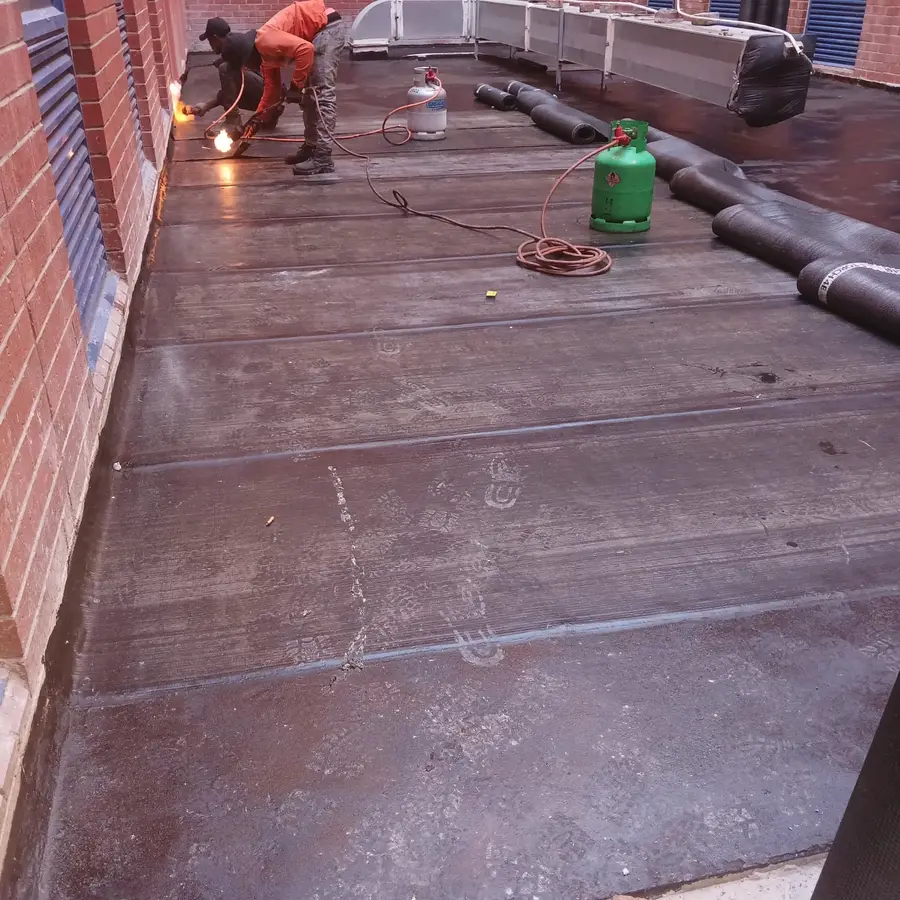
On-site diagnosis combining visual inspection, fluorescent dye traces along rafters, smoke pencils above the ceiling, and thermal imaging on flat torch-on roofs
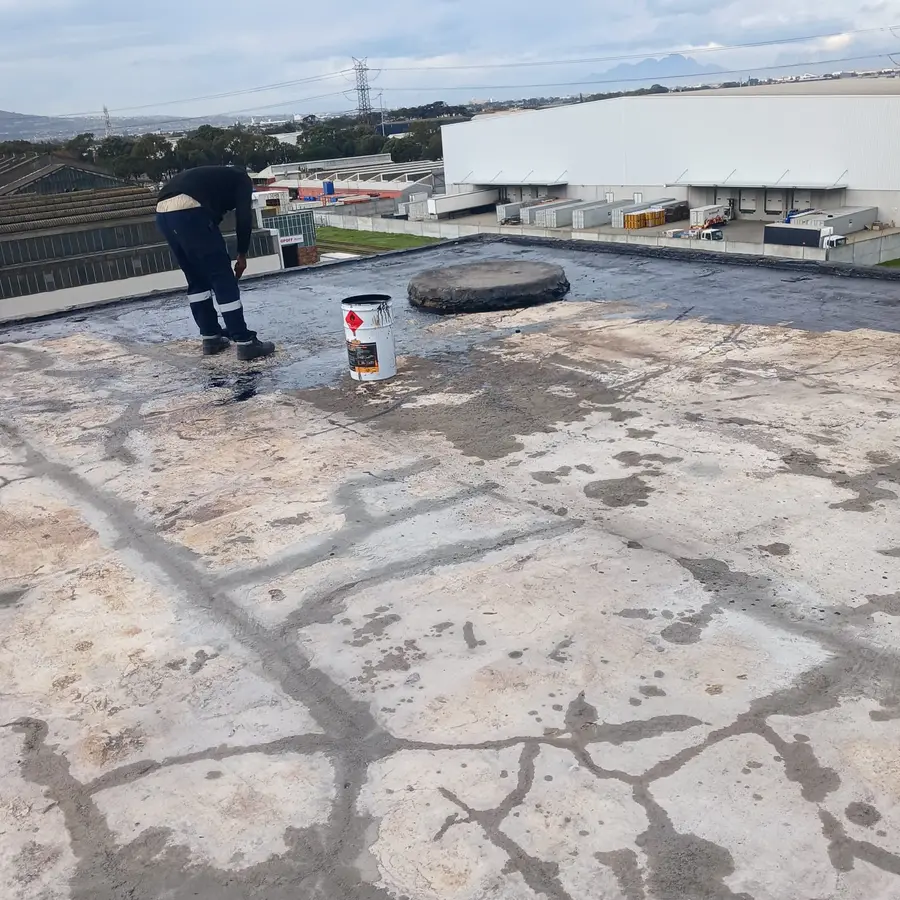
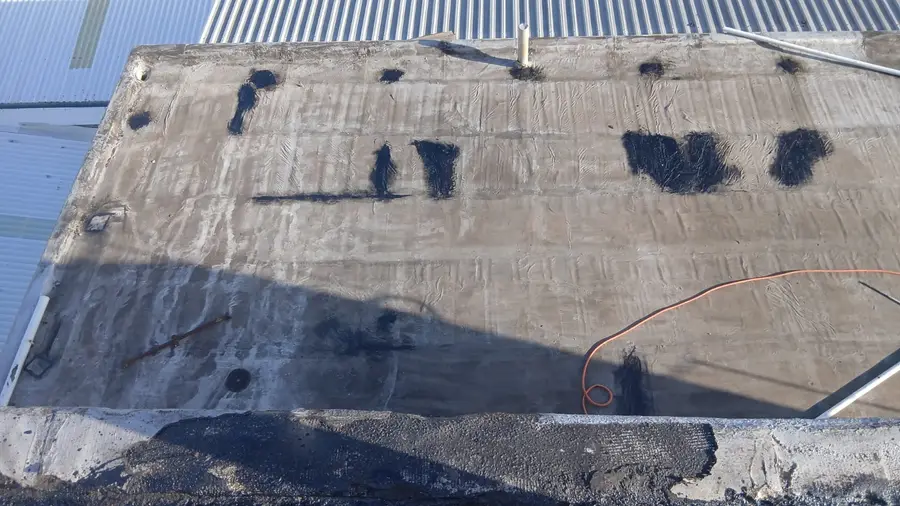
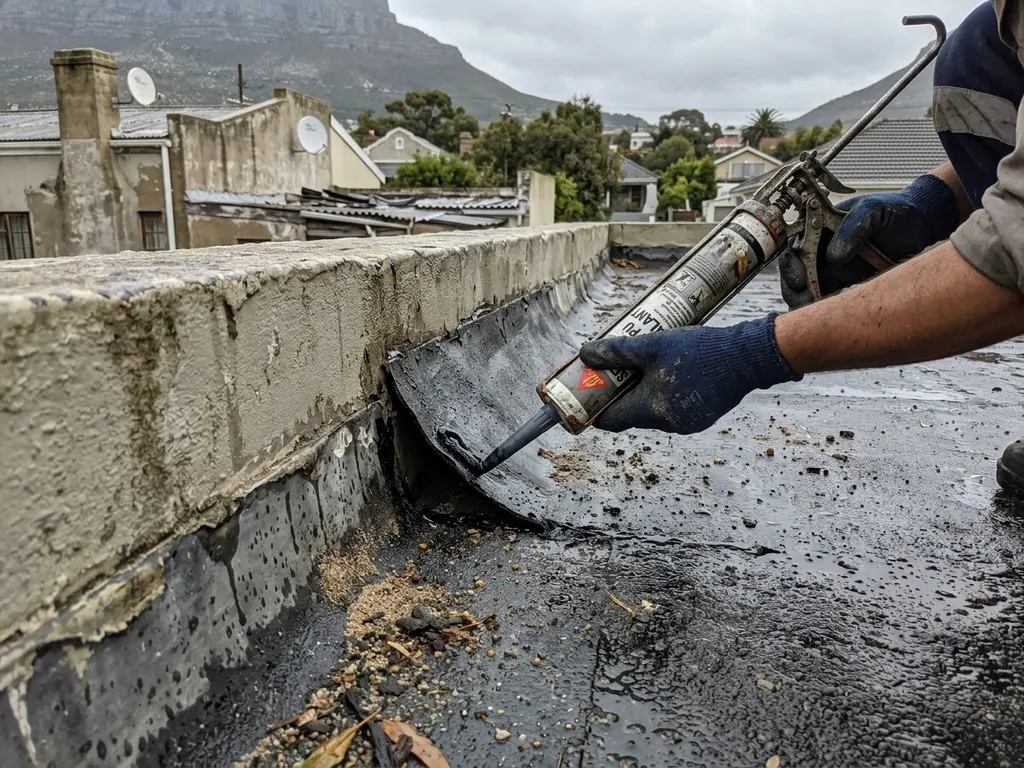
Temporary seal applied to the actual entry point (acrylic patch, torch-on offcut, mechanical flashing clamp, or anchored tarp depending on the failure)
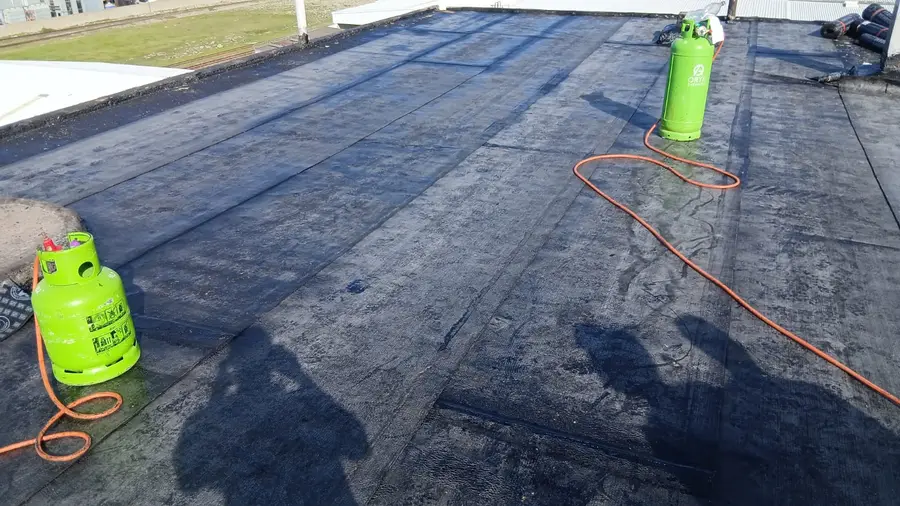
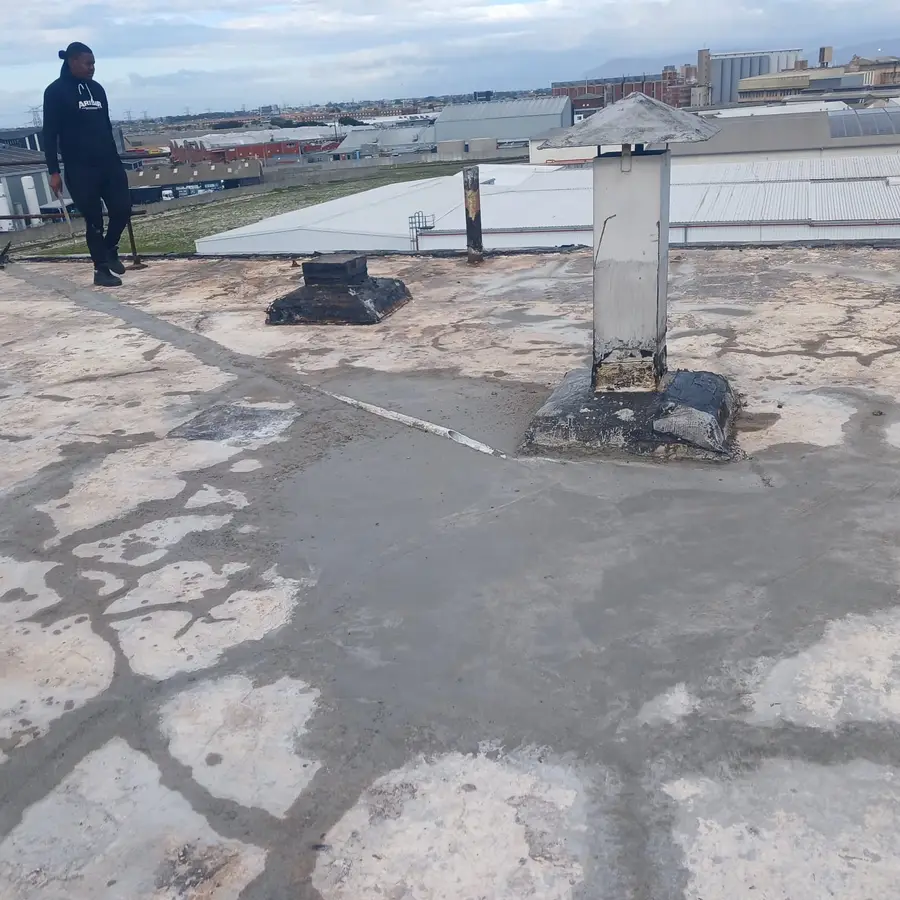
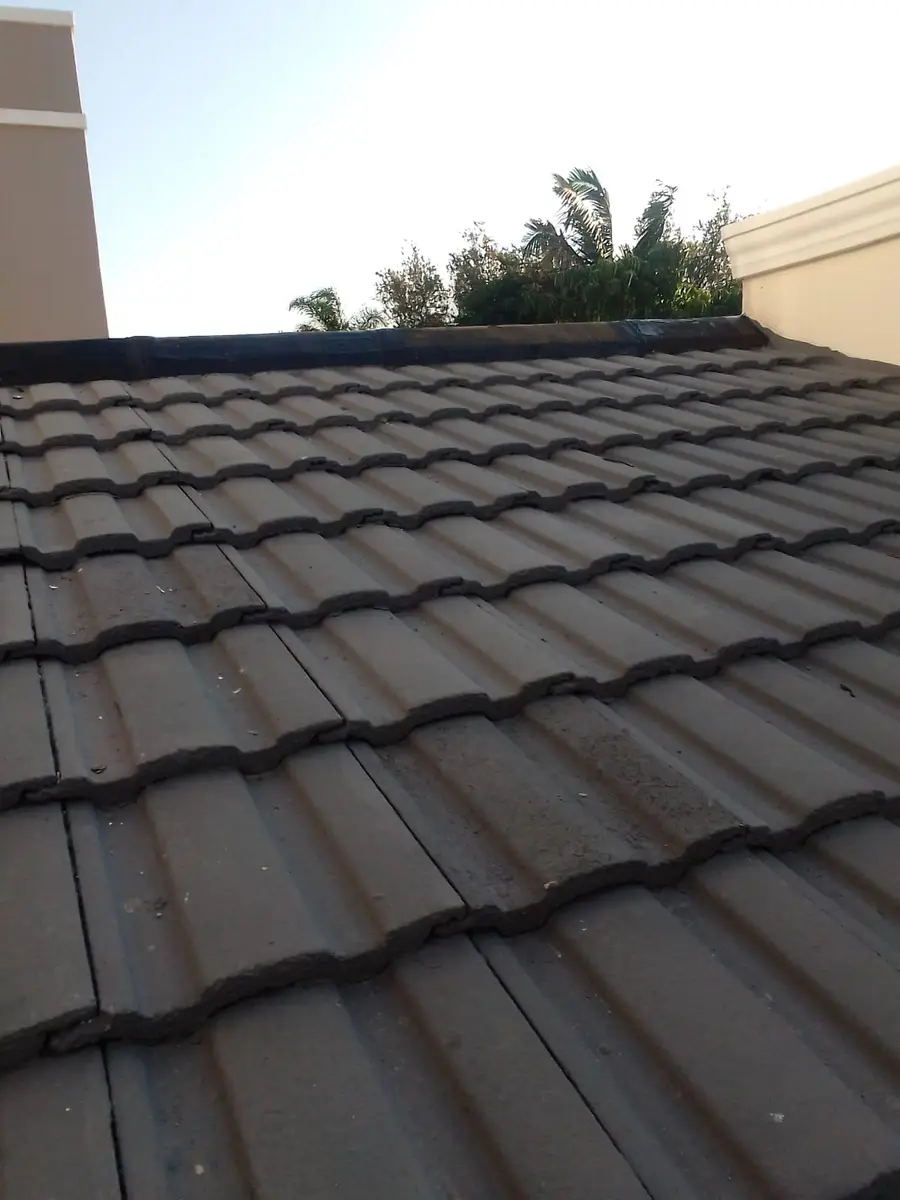
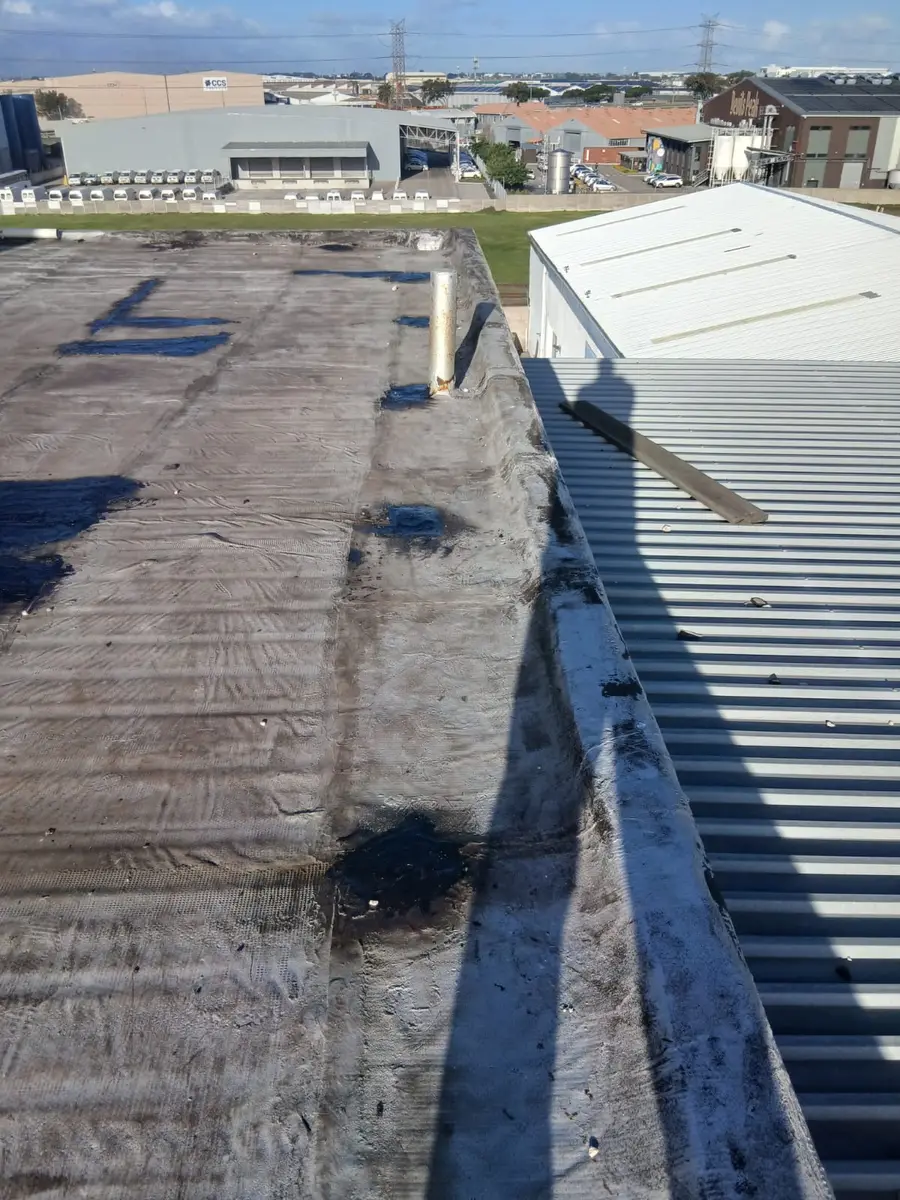
Permanent repair scoped on the spot — common scopes include re-flashing parapet aprons, replacing perished torch-on lap joints, re-bedding ridges, swapping broken tiles, or sealing chimney chase plates
Repair executed with membranes, primers and sealants that match your existing roof system, never a cheaper substitute that voids warranties
Hose-pipe flood test on the repaired zone before we leave, simulating a sustained downpour
Photo-documented report emailed within 24 hours covering cause, fix, materials used and recommendations for the rest of the roof
Pricing
From R850 (call-out)
2026 indicative ZAR pricing. Diagnostic callout R850–R1,500 (credited against repair if you proceed). Single-point patch repair R1,500–R3,500. Re-flashing of parapet aprons, chimney chases or valley flashings R3,000–R7,500. Multi-point membrane patching or extensive torch-on lap repair R6,000–R15,000. Final scope confirmed after on-site diagnosis.
Get Accurate QuoteFrequently Asked Questions
How quickly can you respond during a south-easter or winter storm?
During active storm fronts we run two response vehicles between the Atlantic seaboard, the southern suburbs, the CBD and the Cape Flats. Most active-leak jobs are reached within 4 hours in business hours and same-day in the evening; on the worst back-to-back front days we may queue you for first thing the next morning with a tarp dropped off in the meantime. WhatsApp with a photo of the ceiling damage gets the fastest triage — we can often tell from a photo which roof element has failed before we leave the workshop.
Can you actually patch a torch-on membrane while it's still raining?
Not permanently — torch-on bitumen needs a dry primed substrate and won't bond reliably to a wet membrane. What we can do during rain is install a mechanical weather cover: a peel-and-stick acrylic patch for small punctures, or a tensioned tarp anchored to parapets for larger failures like wind-lifted lap joints on a Camps Bay penthouse deck. The permanent torch-on repair waits for a 24–48 hour dry window, usually the day after the front passes. The temporary cover stops ceiling damage in the meantime.
The drip is in the middle of my lounge — how do you find where the water actually enters?
Cape Town roofs leak in characteristic patterns. On pitched tile roofs the water enters at a broken or slipped tile, then runs down the underside until it hits a purlin or a sag in the underlay — that's where it drips. On flat roofs water travels along the screed under the membrane until it finds a ceiling penetration. We use fluorescent dye flooded onto suspect roof zones (the dye shows up under UV light in the ceiling), smoke pencils pushed through the ceiling void to identify where outside air is getting in, and thermal imaging on flat sections where wet membrane is several degrees cooler than dry. The visible drip is almost never directly below the entry.
My place is in a Sea Point body corporate — how do you handle the trustees and insurer?
Most of our parapet-apron and roof-deck callouts in Sea Point, Green Point, Mouille Point and Bantry Bay are sectional-title. We're comfortable with the standard process: written quote on managing-agent letterhead format, photographed report citing the failure mode (commonly perished sealant on parapet caps after years of north-westerly UV), invoice issued to the body corporate, and direct liaison with the assessor if a claim is lodged. We won't start permanent work on a parapet without a trustee resolution or managing-agent authorisation — but we will still apply a temporary seal immediately to stop active ingress.
When is a leak repair a waste of money compared to full re-waterproofing?
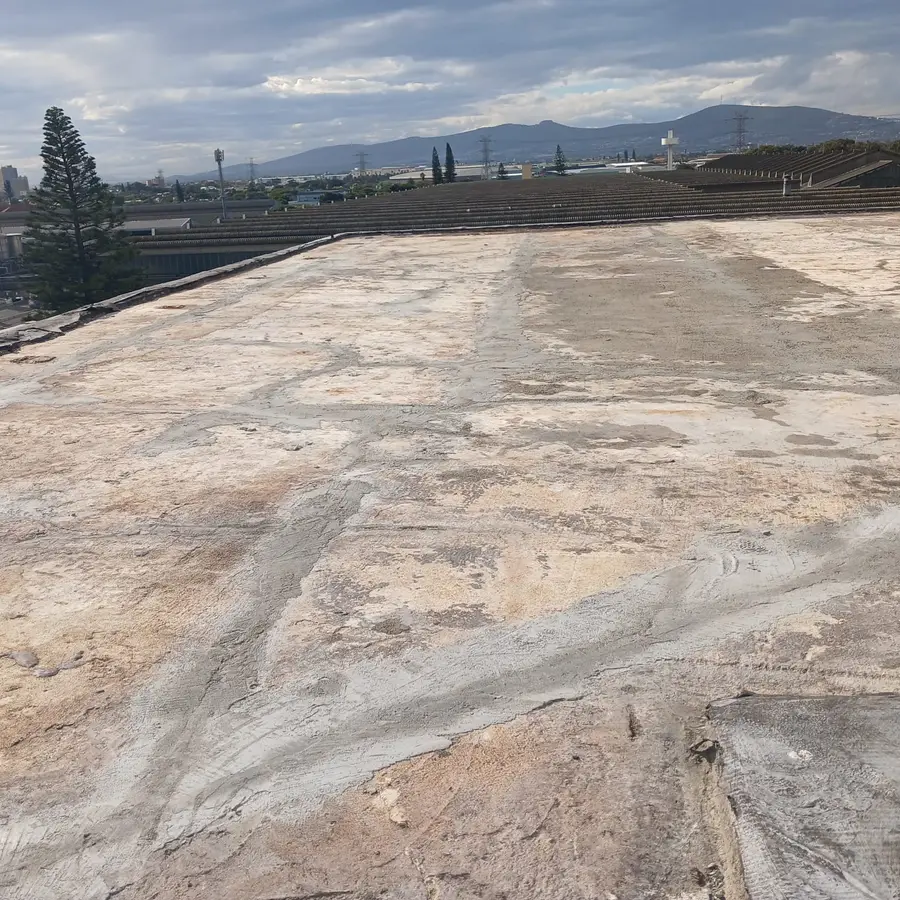
A few honest red flags. If the existing torch-on is alligatored or blistering across most of the surface, individual patches just shift the leak sideways — a Constantia slate roof we surveyed had been patched eight times in two winters before we re-laid the valley. If three or more separate leak points have appeared in eighteen months, the membrane has reached end of life. And if the original installation is older than twelve years, even a successful patch is buying you a season or two. We'll tell you on the diagnosis visit whether your roof is a patch candidate or a re-waterproofing job — and if it's the latter we'll quote both options so you can choose.
What are the most common failure points on Cape Town roofs?
Six recurring culprits we see weekly: (1) parapet aprons on Sea Point and Mouille Point apartment blocks where the cap flashing sealant has perished after years of north-westerly salt-laden wind; (2) IBR sheet uplift on Mitchells Plain and Khayelitsha houses after a south-easter, where the lap-screw washers have cracked and the sheet starts pumping water on the next rain; (3) blocked valley flashings on Constantia and Bishopscourt slate roofs filled with milkwood and oak leaf debris; (4) torch-on lap joints peeling on Camps Bay and Clifton roof terraces from UV plus salt; (5) chimney chase flashings on Observatory, Woodstock and Tamboerskloof Edwardian and Victorian houses where the original lead has corroded; (6) parapet cap and balcony rebate failures on Strand and Gordon's Bay apartment blocks. A pre-winter inspection in March or April catches all six before they become 2am storm emergencies.
Roof Leak Repairs across Cape Town
We cover the suburbs below — free on-site inspection on every quote:
Ready to Get Started?
Get a free, no-obligation roof leak repairs quote from our Cape Town team — on-site inspection included.
Get Free Quote Now